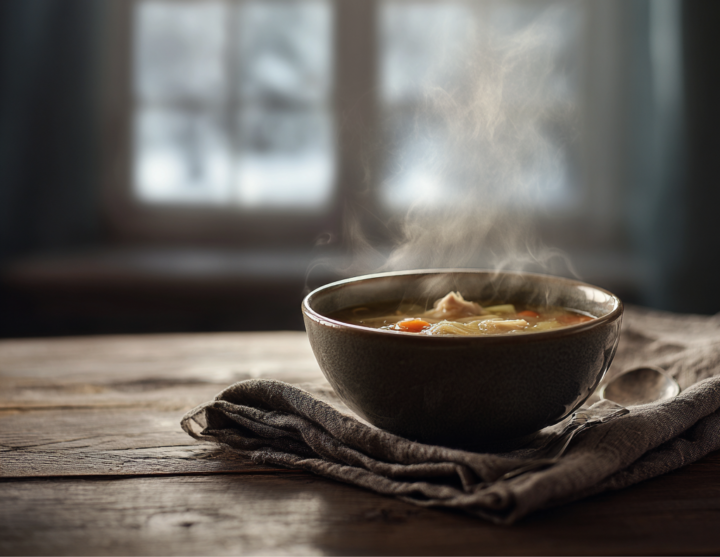
Reykjavík is often described through landscapes, weather and light. Visitors arrive expecting volcanic scenery, cold ocean air and dramatic Nordic nature, yet one of the strongest experiences of the city is far more intimate. It appears through steam rising from soup bowls, the smell of freshly baked bread and the sudden warmth of small food spaces after hours spent outside in wind and cold.
In Iceland, hot food is not simply about temperature. It carries emotional, cultural and even psychological meaning. The relationship between climate and food has shaped everyday eating habits for generations, and nowhere is this more visible than in Reykjavík’s comfort food culture. Soups, stews, warm bread and slow-cooked dishes remain central not because they are nostalgic tourist attractions, but because they continue to reflect how people experience life in a northern environment.
This creates a very different culinary atmosphere from many fast-moving urban food cultures elsewhere in Europe. Reykjavík’s food identity is often quieter, slower and more focused on warmth, recovery and emotional comfort rather than spectacle. Even modern street food culture in the city frequently revolves around the idea of warmth as an experience rather than simply a physical sensation.
Climate and the Psychology of Hot Food
Cold climates shape eating habits in ways that go beyond practicality. In northern countries, warm food often becomes associated with safety, energy and emotional stability. After long exposure to wind, rain or freezing temperatures, a bowl of soup is experienced differently than it would be in a warmer environment. Temperature itself becomes part of the meal’s emotional effect.
This is one reason why soups remain deeply connected to Icelandic food culture. Traditional lamb soup, seafood soup and slow-cooked broths continue to hold a central place not only because they are historically important, but because they fit naturally into everyday northern life. They provide warmth gradually and create a sense of physical calm that aligns with the rhythm of the climate itself.
In Reykjavík, food often feels connected to recovery from the environment outside. Visitors walk through cold streets, changing weather and strong coastal winds before entering small cafés or street food spaces filled with steam, bread and warm light. The contrast becomes part of the culinary experience.
That atmosphere cannot easily be separated from the food itself.
The Role of Soup in Icelandic Comfort Food Culture
Soup occupies a unique position within Icelandic gastronomy because it combines practicality, tradition and emotional familiarity. Many Icelandic soups rely on simple ingredients – root vegetables, fish, lamb, cream, herbs and bread – yet the experience surrounding them often feels deeply atmospheric.
This is especially visible in Reykjavík’s contemporary street food culture, where soup is no longer treated merely as traditional cuisine but as part of a broader comfort food philosophy. Bread bowls, homemade broths and slow-cooked recipes create an experience that feels intentionally warm and personal rather than optimized for speed.
Interestingly, this approach contrasts sharply with many modern fast-food environments. In much of global urban food culture, meals are designed around portability, efficiency and rapid consumption. Reykjavík’s comfort food spaces often move in the opposite direction. Warm meals encourage people to slow down, sit longer and experience food more physically.
Steam, smell, texture and temperature become central parts of the dining experience. Thick soups, fresh bread and creamy seafood dishes create a sense of immersion that aligns naturally with the city’s northern atmosphere.
Warm Food as Part of Reykjavík’s Identity
Reykjavík’s culinary identity is closely connected to intimacy. Unlike larger metropolitan food capitals built around scale and spectacle, many Icelandic food spaces remain relatively small, personal and emotionally direct. This gives warm food culture a particularly strong presence inside the city.
Many restaurants and cafés intentionally emphasize homemade aesthetics, soft lighting and tactile presentation. Wooden interiors, visible kitchen spaces and freshly baked bread contribute to a feeling of warmth that extends beyond the plate itself. In this environment, hot food becomes part of spatial atmosphere.
This is one reason why visitors often remember simple meals in Reykjavík more vividly than technically ambitious fine dining experiences. A hot soup after hours in cold weather can create a stronger emotional memory than visually elaborate gastronomy. The context surrounding the meal becomes inseparable from the flavor itself.
The city’s geography also reinforces this relationship. Reykjavík exists in constant dialogue with cold air, ocean weather and seasonal darkness. During long winters, warm food naturally gains psychological importance. It creates rhythm, comfort and familiarity inside an environment shaped by changing light and unpredictable conditions.
Slow Food in a Fast Digital World
Another reason Icelandic hot food culture feels increasingly relevant today is its contrast with accelerated modern lifestyles. Much contemporary food culture is built around speed, optimization and constant novelty. Meals are photographed quickly, consumed rapidly and replaced almost immediately by the next experience.
Reykjavík’s comfort food culture offers something different. Warm soups, stews and freshly baked bread encourage slower interaction with food. They create physical stillness rather than stimulation.
This slower rhythm aligns closely with broader Nordic lifestyle values surrounding calmness, simplicity and atmosphere. In many Reykjavík food spaces, the goal is not sensory overload but emotional grounding. The warmth of the meal becomes connected to rest, conversation and temporary shelter from the climate outside.
That experience increasingly attracts travelers searching for something more intimate than conventional tourism. Many visitors are no longer looking only for restaurants with visual spectacle or social media appeal. They are searching for emotional atmosphere and local authenticity. Reykjavík’s hot food culture responds naturally to that desire because it feels deeply connected to place and environment.
Warmth as a Cultural Experience
What makes Reykjavík’s hot food culture distinctive is not simply the food itself, but the way warmth becomes integrated into the entire culinary atmosphere of the city. Temperature shapes architecture, interior design, pacing and social behavior alongside gastronomy.
A bowl of soup in Reykjavík is rarely experienced as just another meal. It often represents pause, shelter and emotional transition between the cold environment outside and the protected warmth inside. That emotional dimension gives Icelandic comfort food a particular depth that many faster food cultures struggle to recreate.
As contemporary gastronomy increasingly moves toward immersive and emotional dining experiences, Reykjavík’s northern food culture feels surprisingly modern. It demonstrates that simplicity, warmth and atmosphere can create experiences just as memorable as technical innovation or visual spectacle.
In many ways, the city’s culinary identity is built not around excess, but around warmth itself – physical warmth, emotional warmth and the quiet comfort of food designed for life in a northern climate.