For decades, food trends followed predictable generational arcs. Baby Boomers embraced convenience and abundance. Gen X prioritized practicality. Millennials turned food into identity — organic, artisanal, ethically sourced.
However, Generation Z, raised on algorithms, climate anxiety, economic uncertainty, and TikTok virality, is reshaping food culture in a way that is both more fragmented and more intentional.
And here is why…
A Generation Raised on Screens — and Choice
Gen Z is the first fully digital-native generation. Food discovery does not happen primarily through cookbooks or television but through short-form video, influencer recommendations, and algorithm-driven feeds. A viral pasta recipe on TikTok can drive supermarket shortages overnight. A niche Korean street food can become mainstream in weeks.
For catering companies, this creates a new reality: trends move faster than procurement cycles.
Unlike previous generations, Gen Z expects customization as default. Fixed menus feel outdated. Buffets without dietary labeling are seen as careless. Event catering now increasingly includes vegan, gluten-free, halal, keto, allergen-free, and plant-forward options — not as add-ons but as baseline requirements.
Plant-Based, But Not Always Ideological
Gen Z is often described as the most environmentally conscious generation to date. Surveys consistently show high concern about climate change and industrial agriculture. As a result, plant-based consumption is rising significantly among young consumers.
However, unlike some Millennials who adopted vegetarianism or veganism as ideological commitments, Gen Z’s approach is often more flexible. Many identify as “flexitarian” — reducing meat consumption without eliminating it entirely.
In catering environments, this translates into:
- Strong demand for plant-forward menus
- Acceptance of meat alternatives (beyond traditional vegetarian dishes)
- Interest in sustainable sourcing
Yet Gen Z does not necessarily demand purity. They demand transparency. Where does the food come from? What is the environmental footprint? Is the packaging recyclable?
Health as Performance, Not Just Wellness
Previous generations framed healthy eating around weight loss or general well-being. Gen Z increasingly frames food as performance optimization.
Protein counts matter. Sugar intake is scrutinized. Energy stability, gut health, and mental clarity are discussed openly on social platforms.
Functional beverages — kombucha, matcha, adaptogenic drinks — are not niche anymore. They are event staples in youth-oriented conferences and tech meetups. Traditional soda-heavy catering menus feel dated.
For event organizers, this means rethinking beverages and snacks. Sugary pastries may still appear, but alongside protein bars, fruit-based desserts, and hydration-focused drinks.
The shift is subtle but significant: food is not just indulgence. It is fuel.
The Experience Economy — Food as Content
If Millennials turned brunch into a lifestyle statement, Gen Z has turned food into content currency.
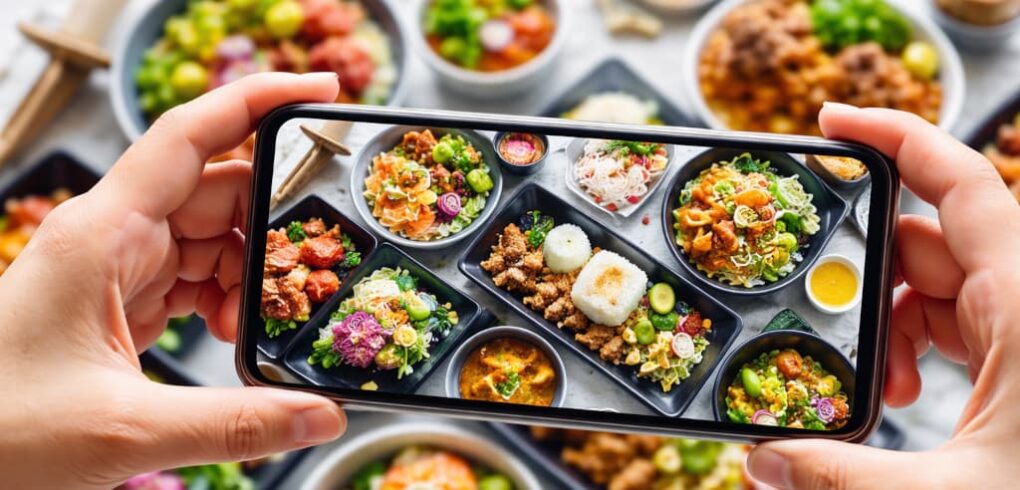
Presentation matters more than ever. Colorful bowls, visually layered desserts, aesthetic table setups — these are not superficial details. They are part of the consumption cycle. Food is photographed, filmed, shared.
Catering companies increasingly design menus with “camera appeal” in mind. Interactive food stations, build-your-own concepts, visually striking plating — these elements serve dual purposes: nourishment and shareability.
In this sense, Gen Z has blurred the line between catering and media production. A successful event menu is one that circulates on social feeds.
Budget-Conscious but Value-Driven
Gen Z came of age during economic instability — the pandemic, inflation spikes, housing crises. Financial caution shapes consumption patterns.
This generation is price-sensitive, but not necessarily cheap. They are selective.
They may skip premium wine packages but spend on ethically sourced coffee. They may avoid formal plated dinners but prefer curated street-food-style catering that feels authentic and cost-effective.
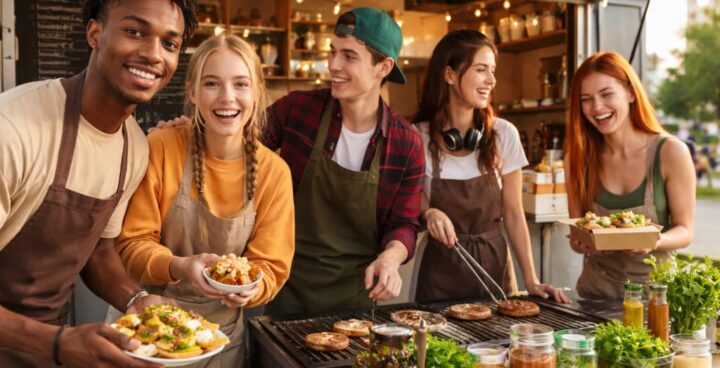
Casual formats resonate strongly: food trucks, pop-up kitchens, grazing tables, shared platters. Formal banquet dining often feels disconnected from how Gen Z socializes.
Flexibility and authenticity outweigh ceremony.
Cultural Fluidity and Global Palates
Gen Z is also the most culturally interconnected generation in history. Exposure to global cuisines happens early and constantly. Korean, Middle Eastern, Mexican, Japanese, and fusion foods are mainstream preferences, not exotic novelties.
In catering, this means that traditional Western menus — chicken, beef, fish — may feel uninspired. Spice tolerance is higher. Flavor experimentation is welcomed.
However, authenticity matters. Token “ethnic” options are easily recognized and dismissed. This generation values cultural accuracy and inclusive representation in food offerings.
Digital Ordering and Frictionless Expectations
Convenience culture did not start with Gen Z, but they have perfected it. Mobile ordering, QR menus, contactless payment, and app-based catering coordination are expected.
Paper menus feel outdated. Waiting in line feels inefficient. Digital transparency — ingredients, sourcing, nutritional details — is increasingly standard.
Catering businesses that digitize their communication and offer real-time customization are better positioned for Gen Z clientele.
Differences from Previous Generations
Compared to Millennials:
- Less ideological, more pragmatic
- More digitally mediated
- More performance-health oriented
Compared to Gen X and Boomers:
- Lower alcohol consumption
- Higher sustainability expectations
- Greater demand for dietary inclusion
Gen Z does not necessarily reject tradition. They reinterpret it. A formal dinner can work — if it includes customization, transparency, and visual appeal.