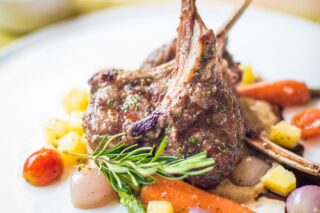
We explored the connection between remote viewing and nutrition to see whether diet truly makes a difference. Here’s what we discovered.
Can What You Eat Affect Your Remote Viewing Results?
When it comes to what you bite, chew, and swallow, your choices have a direct and long-lasting effect on the most sensitive ability in your body: perception.
So which foods make you more perceptive?
Which ones help you stay focused instead of drifting into mental fog?
We take you into the world of Controlled Remote Viewing to find out.
Let’s Begin…
What Is CRV?
Remote Viewing is a structured discipline designed to distinguish raw perception from imagination. It adheres to a special protocol, known as Controlled Remote Viewing (CRV), developed in the 1980s by the U.S. military, when they were exploring the powers of the human mind and whether it could be used against enemies.
After the program was declassified in 1995, previously undisclosed experiments and case studies became publicly available. Some of the documented results were surprising.
It shows that our understanding of perception to acquire information distantly is still incomplete.
Otherwise, how can we explain the fact that a remote viewer, Joseph McMoneagle, precisely described a new, secret Soviet Typhoon-class submarine under construction, despite having no prior intel?
There were many successful cases that could not be explained by random chance.
The Effects of Nutrients on Your Perception Skills
Because the practice depends on perceptual clarity, researchers and practitioners also began examining factors that might influence performance – including food.
Turns out that what you eat slightly affects how stable and efficient your perception system operates. In one comparison involving remote viewers, meat-eaters and vegans were tested on ESP tasks. The vegan group performed slightly better on average.
Does that mean vegetarianism is a mental superpower? Not necessarily.

How to Improve Your ESP Skills
Diet may reduce physiological “noise”. But the observed differences are small. Food alone does not replace structured training. In fact, researchers consistently point out that the most reliable way to improve ESP performance is practice.
If you’re curious about structured, feedback-based training on your own, remote viewing practice app, VEREVIO is the best choice to start.
Which Foods Are Recommended for RV Practitioners?
Remote viewing requires long periods of calm focus, mental clarity, emotional neutrality, and stable energy. There is no scientifically proven “psychic diet”, but we do have strong research on nutrition for cognitive performance, attention, and sustained mental stamina.
Below is what tends to work best for concentration-based disciplines — and what many experienced viewers informally report using.
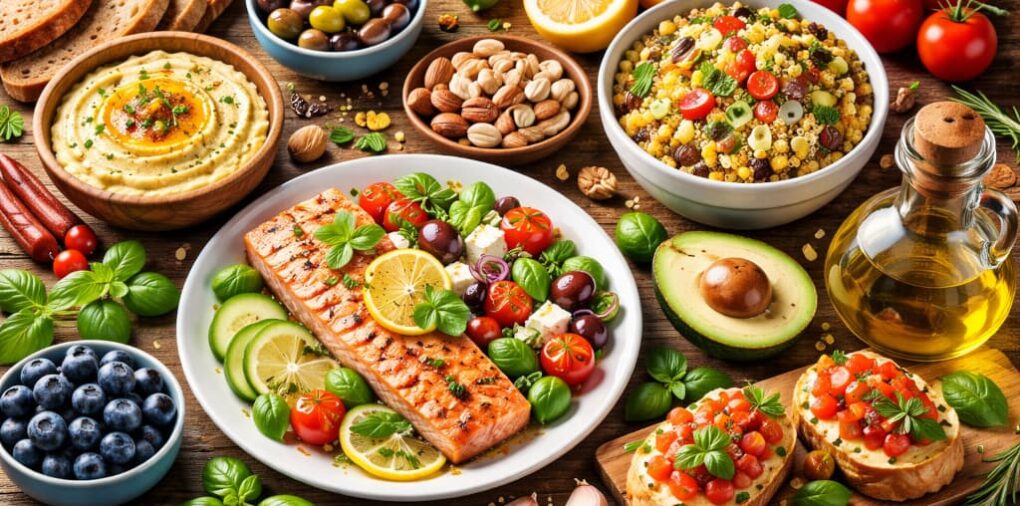
Mediterranean-Style Diet
If we had to recommend one foundation, it would be a Mediterranean-style diet.
Why?
Large studies show this diet supports:
- Better cognitive performance
- Reduced brain fog
- Improved attention and memory
- Lower inflammation (which affects mental clarity)
Key foods:
- Fatty fish (salmon, sardines) → omega-3 (DHA supports brain function)
- Olive oil
- Leafy greens
- Nuts (walnuts especially)
- Berries
- Legumes
- Moderate eggs
- Low processed sugar
Supporting Research:
- The PREDIMED study (Spain) showed improved cognitive scores in people following Mediterranean diets.
- Studies in journals like Neurology and Frontiers in Aging Neuroscience link it to better executive function and memory.
This diet provides stable blood sugar + anti-inflammatory support, which helps during long CRV sessions.
Stable Blood Sugar = Stable Signal
So generally:
- Avoid heavy sugar before sessions
- Avoid very large meals (causes mental dullness)
- Avoid alcohol (clearly reduces signal clarity)
- Moderate caffeine only
Many viewers prefer:
- Light protein + healthy fat before sessions
- Example: eggs + avocado
- Greek yogurt + nuts
- Light fish + greens
Low-Inflammatory / “Clean” Eating
Some remote viewers experiment with:
- Reducing processed foods
- Reducing heavy dairy
- Limiting gluten (if sensitive)
- Increasing hydration
This is not because of “psychic reasons” — but because inflammation and digestive stress reduce focus.
What Do Popular Remote Viewers Eat?
There is no documented official diet from Russell Targ (co-founder of the Stanford Research Institute remote viewing program) or others. Early SRI researchers (like Ingo Swann) emphasized mental discipline more than nutrition.
However:
- Some independent practitioners report preferring:
- Light fasting before sessions
- Tea instead of coffee
- Vegetarian or lighter meals
Interesting Observation
Many high-performing viewers report their best sessions when:
- Slightly hungry
- Early in the day
- After meditation
- In low sensory environments
This suggests metabolic calm + mental quiet matters more than any specific food.
Final Summary
Remote viewing is a complex practice. It requires time, mental energy, emotional balance, and sustained focus. Because sessions can be demanding, maintaining good physical health should be a priority. You want your attention on the target — not on hunger, fatigue, or discomfort.
Healthy, balanced eating supports concentration and stable energy levels. We do not recommend extreme dietary changes, such as switching to vegetarianism or any restrictive diet, unless advised by a qualified medical professional. In general, eating well is beneficial in all circumstances, not just for remote viewing.
At the same time, food only has a small influence on remote viewing performance. Diet can support clarity, but it does not replace skill.
The most important factor is consistent practice. Even 15–20 minutes of regular remote viewing training can be far more effective than focusing too much on optimizing nutrition. Discipline, repetition, and structured practice remain the foundation of improvement.
In the end, your diet is your personal choice — but your progress in remote viewing depends primarily on practice.